
Election periods often bring a surge of online activity and speculation. This makes it easier for misleading content and cyber scams to spread. Understanding how to recognize suspicious content and verify information can help protect both your accounts and your personal information.
- Election periods generate high volumes of news, social media posts, and online discussions, creating more opportunities for scams and misleading content.
- Deepfakes, fake news, phishing messages, and impersonation scams can all appear more convincing with the help of AI.
- Emotionally charged or urgent content deserves extra scrutiny. Be wary if it asks you to click a link, download a file, or share personal information.
- Verify important information using trusted and official sources rather than relying on a single post or message.
- Protect your accounts with strong passwords, multi-factor authentication (MFA), and up-to-date security software to reduce the risk of compromise.
Why do election periods increase the risk of deepfakes, fake news, and online scams?
Election periods create a fast-moving online environment where people actively search for breaking news and engage in public discussion. Information changes rapidly and new stories emerge throughout the campaign.
It can become more difficult to distinguish trustworthy content from misleading or fraudulent material at first glance.
This heightened online activity also creates more opportunities for cybercriminals and other malicious actors to exploit public interest. Tactics like AI-generated images and videos and phishing campaigns can all appear alongside legitimate content. This can make users more likely to click unfamiliar links or trust information before verifying it.
The same methods of spreading misinformation are commonly seen during many high-profile events. This includes major sporting tournaments and any form of breaking news. The focus here is not specifically on politics. It is on understanding the cybersecurity risks that can arise whenever large numbers of people are searching for information online and learning how to protect yourself against them.
Why does AI make these risks even greater?
Artificial intelligence doesn't create entirely new online threats. It usually makes many existing ones faster and more scalable. They may also become much more convincing.
Tasks that once required significant time or technical expertise like writing realistic phishing emails or producing convincing videos can now be completed much more quickly and at a much larger scale.
This means users may encounter more sophisticated forms of misinformation and online scams during election periods. AI-generated content can closely resemble legitimate messages or media. It is becoming harder to distinguish genuine content from deceptive material based on appearance alone.
Rather than changing the nature of these threats, AI amplifies them by increasing their realism and accessibility. This goes to show the importance of verifying information rather than assuming it is trustworthy.
What forms can misleading or manipulated information take during election periods?
People may encounter a wide range of misleading content online during election periods. This can be inaccurate information shared by mistake. But we’re seeing more and more falsified content.
It's helpful to distinguish between two commonly used terms:
- Misinformation is false or inaccurate information shared without the intention to mislead.
- Disinformation refers to false information that is deliberately created or shared to deceive.
Both can make it harder for people to identify trustworthy information in fast-moving online environments.
How can AI be used to create misleading content?
Artificial intelligence can be used to create many forms of realistic-looking misleading content.
The technology can be used to:
- Generate realistic-looking images
- Clone voices
- Produce convincing videos known as deepfakes
- Write natural-sounding text in seconds
- Mimic the look of election campaign emails or promotional materials
These tools can be used to create content that appears authentic.
Not all manipulated content uses AI. Edited photographs and misleading content have existed for many years and can be just as deceptive.
The key point is that appearance alone is no longer a reliable indicator of authenticity. The safest approach is to verify important information through trusted and reliable sources before believing it.
What kinds of misleading or falsified content might you encounter?
Election periods can bring a wide variety of misleading or falsified content online. Some content is entirely fabricated. There are also examples that combine genuine information with edited images and videos. They may also provide misleading context.
Understanding the different forms this content can take makes it easier to recognize when something deserves a closer look.
Fake news and manipulated content
Misleading content can include fake news stories, sensational headlines, edited videos, altered images, recycled photos or footage from unrelated events, or genuine content presented without its original context.
Even authentic images or videos can become misleading if they're paired with inaccurate captions or claims. Fake news managing to get traction online is common, with 66% of adults in one study admitting to being exposed within the previous week.
Deepfakes, AI-generated media, and impersonation
AI can generate realistic media and even convincing fake online identities.
Manipulated content can appear increasingly authentic. This makes it easier for deceptive material to gain credibility.
Election-related scams and cyber threats
Election-related scams often use misleading content. This could include fake election-related websites, emails, or other forms of online impersonation.
Other potential risks include malicious QR codes, fake donation requests, and attempts to steal account credentials. Interacting with manipulated content can also expose users to broader cybersecurity risks.
Why can misleading information spread so quickly online?
Online platforms make it possible for information to reach millions of people within minutes. Content can quickly go viral on social media.
Rapidly developing events and constant updates can make it difficult to verify every post before it is shared. Repeated exposure can also make information seem more familiar (even if it hasn't been confirmed).
Misleading content often appears alongside legitimate news and discussions. This means that it isn't always obvious at first glance which sources are reliable. Robust internet security should be combined with a healthy level of skepticism to ensure that you don’t take things at face value.
Why can misleading content be easy to share?
Attention-grabbing headlines and emotionally engaging posts often encourage people to react quickly. Users may share content before checking where it came from or whether it is legitimate.
How can you recognize manipulated content and election-related scams?
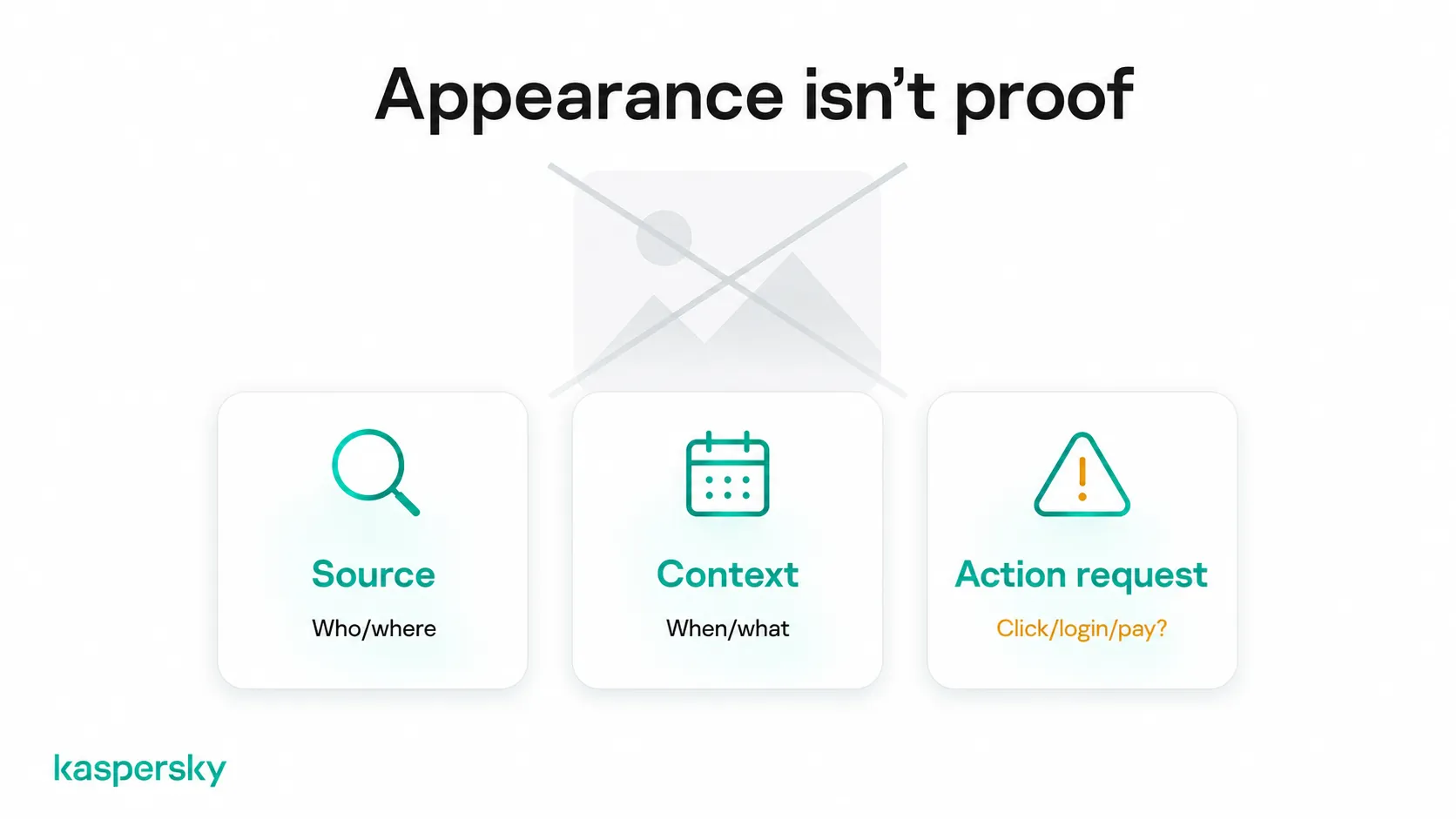
AI-generated content is becoming more realistic. This means it is becoming harder to judge authenticity based on appearance alone. Instead of trying to spot whether an image or video is fake, it's more effective to focus on the source, the context, and whether the content is asking you to take action. Pressure to click a link or share personal information is a red flag.
The same approach also helps identify phishing attempts and other online threats that often appear during election periods.
What warning signs should you look for?
Look out for these common warning signs:
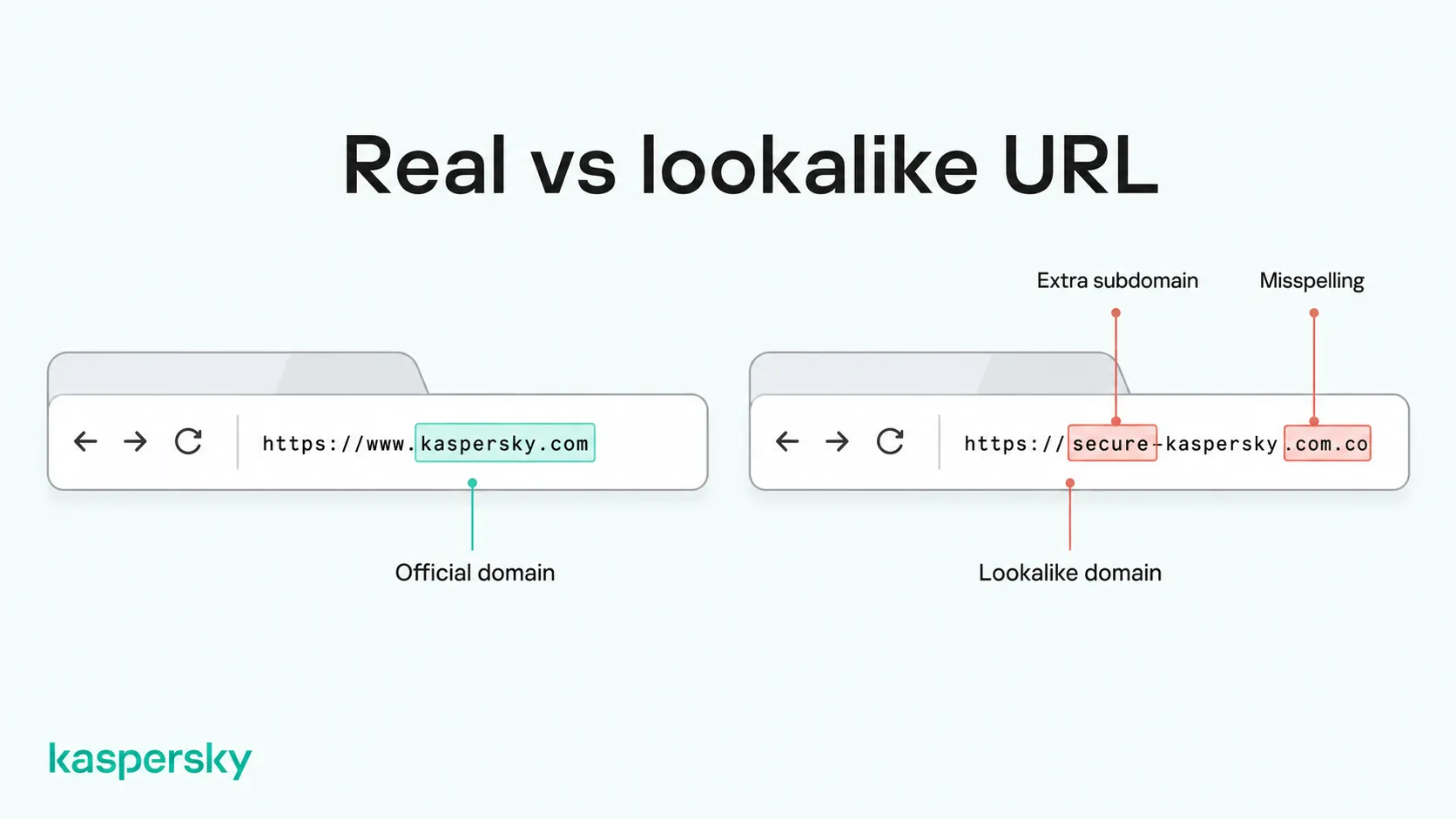
- Suspicious links or website addresses that don't match the official site.
- Emotionally charged language to provoke an immediate reaction.
- Unexpected requests to log in or make a payment.
- Messages from unknown senders or unfamiliar accounts.
- Claims that cannot be traced back to a reliable source.
A professional-looking image or realistic video should not be treated as proof that content is genuine. A level of skepticism is often more effective than trying to spot technical imperfections.
How can you verify election-related information?
Always try to trace important information back to its original source rather than relying on reposts or screenshots. Compare significant claims with information published by official election authorities and established news organizations. Always check that website addresses and online accounts are genuine before interacting with them.
What if information is unclear or widely disputed? Independent fact-checking organizations can often provide additional context and explain what has been verified.
How can election misinformation lead to cybercrime?
Election misinformation can also expose users to cybersecurity risks. For example, misleading posts, messages, or websites may contain phishing links, malicious downloads, or requests for sensitive information. Interacting with malicious links, downloads, or websites can lead to account compromise, credential theft, malware infections, identity theft, or financial fraud.
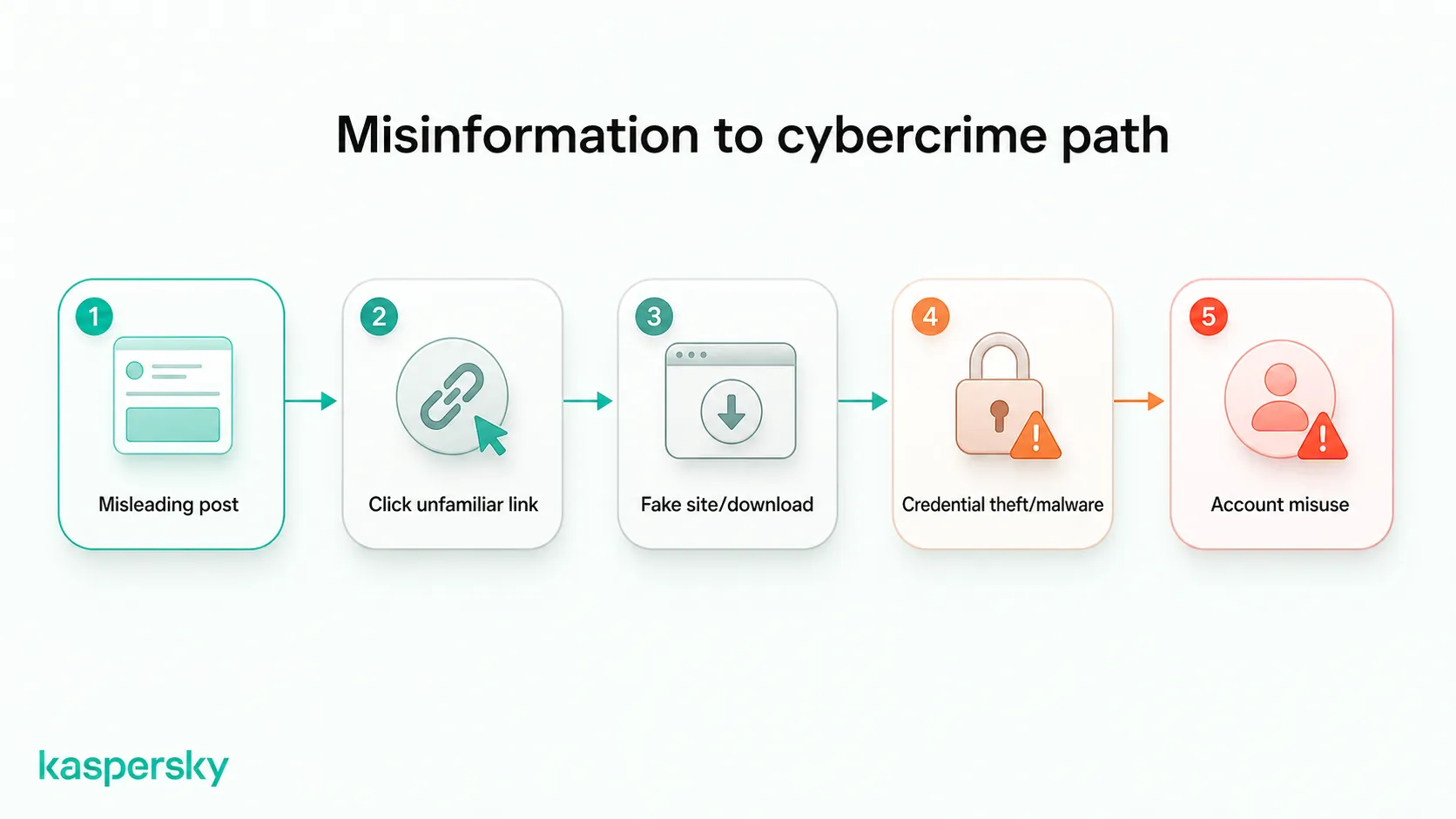
These attacks can lead to account compromise, credential theft, malware infections, identity theft, or financial fraud. Compromised accounts may then be used to send further phishing messages or distribute more misleading content to other people.
Media literacy and cybersecurity go hand in hand. Verifying information before acting on it, protecting your accounts with strong authentication, and thinking carefully before clicking unfamiliar links all help reduce the risk of both misinformation and cybercrime.
Independently tested and awarded by the industry's leading labs.



How can you stay safe online during election periods?
Staying safe during election periods means combining careful information checking with good cybersecurity habits and protections. Pausing to think before clicking or providing personal information can help prevent misleading content from becoming the starting point for phishing, malware, account compromise, or other online threats.
These habits are useful beyond election periods, too. Verifying unexpected requests and treating unfamiliar links with caution can reduce exposure to financial scams, impersonation fraud, social engineering, and other forms of cybercrime.
How can you protect yourself from election misinformation, fake news, and online scams?
If something seems unusual, pause before interacting with it. A few simple habits can help reduce the risk of falling victim to misinformation or cybercrime:
- Stop interacting with suspicious posts or websites until you can verify them independently.
- Avoid clicking unfamiliar links or downloading unexpected files.
- Verify important information through official or other trusted sources before sharing or acting on it.
- Report suspicious content to the platform instead of forwarding or reposting it.
How can you strengthen your overall digital security?
Good cybersecurity habits can help protect you long after an election period has ended.
- Use strong passwords and enable multi-factor authentication (MFA) on important accounts.
- Keep your operating system and apps up to date with the latest security patches.
- Be cautious if unexpected emails, text messages, or social media posts ask for personal information or account credentials.
- Use trusted security software to help protect against phishing attacks, malicious websites, and malware.
Related Articles:
- How to identify fake news during election periods?
- How does AI cybercrime impact online safety during elections?
- How can you identify scam websites effectively?
- What are some effective phishing prevention tips for online safety?
Related Products:
FAQs
Can deepfakes influence election misinformation?
Yes. Deepfakes can make false or misleading content appear more convincing, which is why it's important to verify significant claims through reliable sources rather than relying on a video or audio clip alone.
Can fake news lead to phishing or online scams?
Yes. Misleading content may be used to direct people to fake websites, phishing pages, or malicious downloads.
Can you trust videos and images shared on social media during election periods?
Not automatically. Images and videos can be edited, taken out of context, or generated using AI. Check the original source and look for confirmation from reliable sources before trusting or sharing them.
What should you do if you accidentally shared election misinformation?
If you discover that you've shared inaccurate or misleading content, delete or correct the post where possible and share verified information instead. Taking prompt action can help reduce the spread of misinformation.