
 privacy
Dangerous liaisons: How relatives and friends give away your secrets
Your online privacy does not depend solely on you. We’ll tell you what your loved ones can give away. (Spoiler: It’s absolutely anything, even DNA.)
575 articles
Your online privacy does not depend solely on you. We’ll tell you what your loved ones can give away. (Spoiler: It’s absolutely anything, even DNA.)

One short message is enough to send a Sony PS4 into an infinite restart loop. Here’s how to deal with it.

Tips to protect your devices, your home network, and your privacy against cybercrime.

The “another friend request from you” hoax on Facebook is gaining traction. Don’t fall for it.

Last year’s Kaspersky NeXT event covered everything from the blockchain to how complex it would be to visit Mars. What should you expect this year?

Facebook has been breached, and malefactors gained access to some 50 million accounts. We offer some quick tips for your safety.

Speaking of two-factor authentication — as we often do — did you know some convenient settings render it utterly useless? Let’s do it right.

Why doesn’t Kaspersky Lab have an antivirus app for iOS — and what are all those other Internet security suites for Apple mobile devices?

Facebook wants to be your financial service and wants your banking data. But do you want Facebook to have it?

WhatsApp for Android can back up your chats to Google Drive. It’s free, but it may hurt older backups. Here’s how to get it right.

Our Security Services folks published a report on the errors they see most — here they give advice on how to make your infrastructure more cyberresilient.

It’s not Malevich’s Black Square. This is what a screenshot taken by a suspicious application on a computer protected by Kaspersky Lab products looks like.

Creators of ad mailings and spam are very interested in knowing whether you read their messages. This post explains how to protect against e-mail tracking.
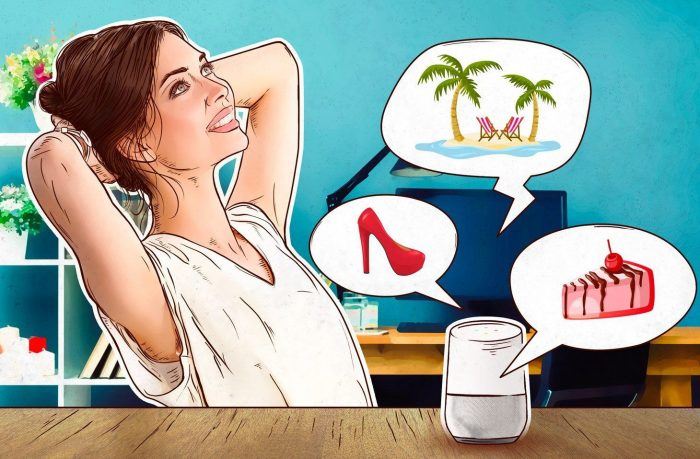
Advertising in voice assistants is coming soon. We examine how it will use personal data and what you can do about it.


Rumor has it that typing “BFF” as a Facebook comment checks your profile security. We investigate the claim.

Harmless toy or a way to phish for personal data?

Chrome learns to block ads by itself. What has Google come up with, and how will it help users?


Sex sells, as they say in advertising. In cyberspace porn serves as one of the most popular tools for malicious activity.
 gamers
 Facebook
 NEXT
NEXT 2FA
2FA iOS
iOS artificial intelligence